
Your natural solution for restoring eyebrows and renewing confidence
Eyebrow Transplant in Toronto
An eyebrow transplant is a hair restoration procedure that uses individual hair follicles to restore or reshape sparse eyebrows. It may be considered by people whose eyebrows have become thinner because of over-plucking, aging, naturally sparse growth, or other causes of eyebrow hair loss. Dr. Robert Jones has more than 30 years of experience in hair restoration surgery and uses FUE techniques for eyebrow restoration, with careful attention to the direction, angle, and placement of each graft.
What Is an Eyebrow Transplant?
An eyebrow transplant, also called an eyebrow hair transplant, involves moving individual hair follicles from a donor area to the eyebrows.
Unlike scalp hair, eyebrow hair has a specific direction, angle, and growth pattern. Each follicle therefore needs to be placed carefully to follow the natural appearance of the eyebrow.
Eyebrow transplantation can be used to:
- Restore sparse eyebrows
- Add density to thin eyebrows
- Improve areas affected by over-plucking
- Restore sections of missing eyebrow hair
- Reshape eyebrows through hair transplantation
- Address certain forms of eyebrow hair loss or thinning
The number of grafts required varies between patients. The treatment plan depends on the existing eyebrow hair, the areas requiring restoration, donor hair availability, and the desired shape.
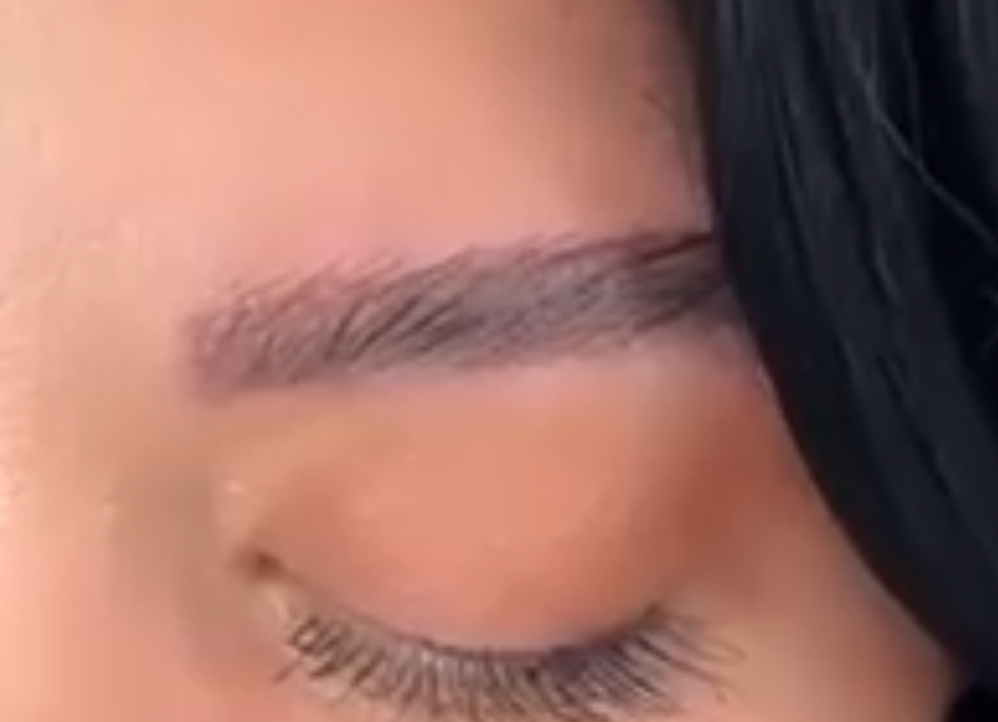
How Eyebrow Hair Restoration Works
Eyebrow restoration is based on the same fundamental principle as other forms of hair transplantation: suitable follicles are taken from a donor area and placed into the area requiring restoration.
Dr. Jones uses FUE techniques to harvest individual follicular units. For eyebrow transplantation, graft selection and placement require particular attention because eyebrow follicles are typically placed individually to create the desired appearance.
The procedure generally involves:
- Assessing the eyebrows and donor area
- Planning the eyebrow shape and density
- Selecting appropriate donor follicles
- Harvesting individual grafts
- Preparing the grafts for placement
- Creating recipient sites in the eyebrow
- Placing the grafts at carefully selected angles and directions
The details of the procedure vary according to the patient's existing eyebrow structure and restoration goals.
Designing the Shape and Direction of the Eyebrows
The design of an eyebrow transplant is one of the most important parts of the procedure.
Eyebrow hairs do not all grow in the same direction. The angle and direction change across different portions of the brow. If transplanted hairs are placed without considering this pattern, the result may not blend naturally with the existing eyebrow.
Planning can consider:
- Overall eyebrow shape
- Brow length and width
- Existing eyebrow density
- The inner, middle, and outer portions of the brow
- Natural hair direction
- Hair angle
- Facial proportions
- Existing eyebrow asymmetry
The goal is to create a transplant plan that works with the patient's facial features and existing eyebrow hair rather than applying the same shape to every patient.
Who May Be a Candidate for an Eyebrow Transplant?
An eyebrow transplant may be considered by people with sparse, thin, or partially missing eyebrow hair.
Potential reasons for considering eyebrow restoration include:
- Over-plucking
- Naturally sparse eyebrows
- Age-related thinning
- Areas of eyebrow hair loss
- Previous trauma or scarring
- Uneven eyebrow density
- Desire for greater eyebrow fullness
Suitability depends on the cause and extent of eyebrow hair loss, the condition of the recipient area, available donor hair, and the patient's expectations.
A consultation is necessary to determine whether an eyebrow hair transplant is appropriate for you.
Graft Selection and Placement
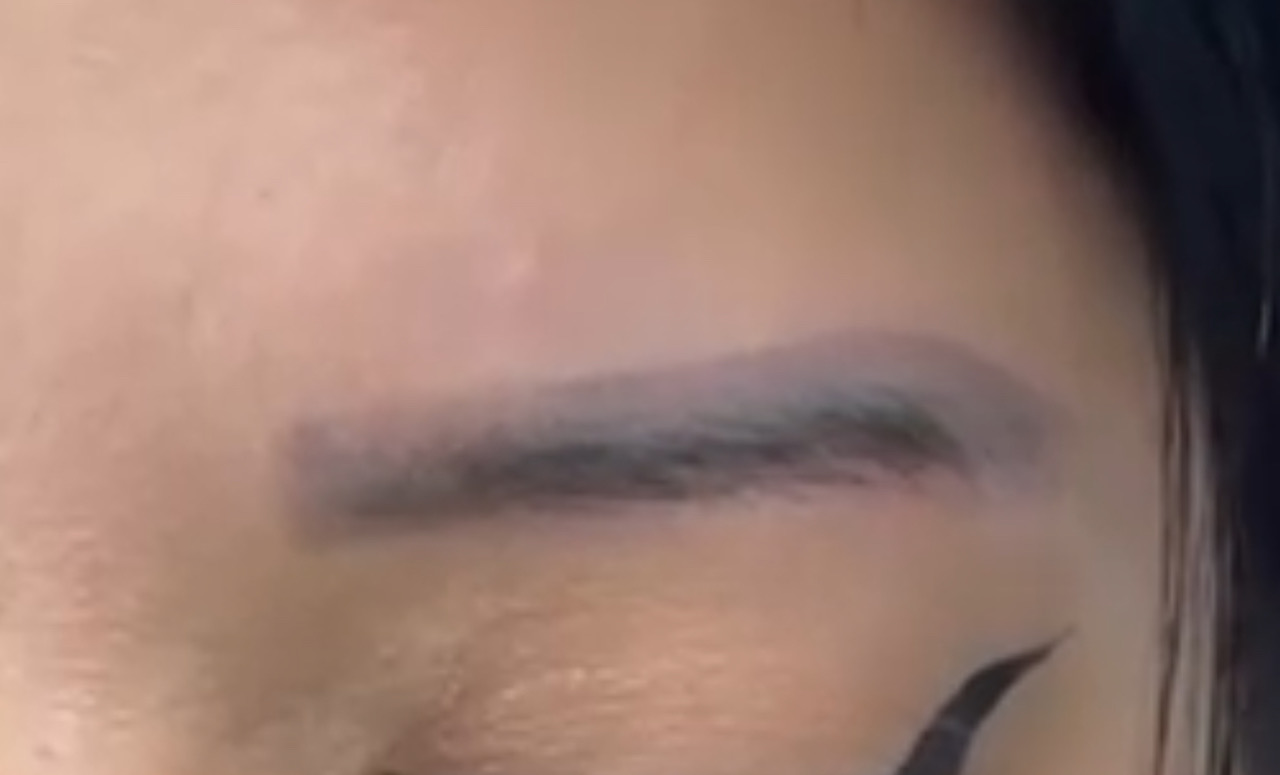
Eyebrow transplantation requires careful graft selection because the characteristics of the donor hair can affect the appearance of the restored eyebrow.
For eyebrow restoration, single-hair grafts are generally important for creating a fine, natural-looking appearance. The selected follicles are placed individually according to the planned eyebrow design.
Dr. Jones pays attention to factors such as:
- Hair calibre
- Follicular-unit characteristics
- Hair direction
- Implantation angle
- Graft distribution
- Existing eyebrow hair
- Desired density
The number of grafts required can vary considerably. A patient looking to fill a small gap may require a different treatment plan from someone seeking restoration of most of the eyebrow.
Advanced FUE for Eyebrow Restoration
Dr. Robert Jones has extensive experience with FUE and began performing the technique in 2002.
For eyebrow transplantation, FUE allows individual follicles to be harvested from the donor area and used for precise eyebrow restoration.
The small size and highly visible nature of the eyebrow make careful graft placement particularly important. The direction and angle of each follicle need to be considered as part of the overall eyebrow design.
Eyebrow Transplant Recovery and Growth Timeline
Recovery following an eyebrow transplant varies between patients.
During the early recovery period, patients may experience temporary redness, swelling, small crusts, or other changes around the transplanted area.
A general progression may include:
- First week: The transplanted area begins healing, and small crusts may be visible.
- Following weeks: Some transplanted hairs may shed as part of the normal hair-growth cycle.
- Several months: New growth begins to become more noticeable.
- 6–12 months: The transplanted eyebrows continue to mature and develop.
Individual growth timelines vary, so these stages should be considered general rather than a guarantee of a specific result by a particular date.
Because transplanted scalp hairs retain characteristics of their original donor hair, eyebrow transplant patients may need to trim the new eyebrow hairs periodically as they grow.
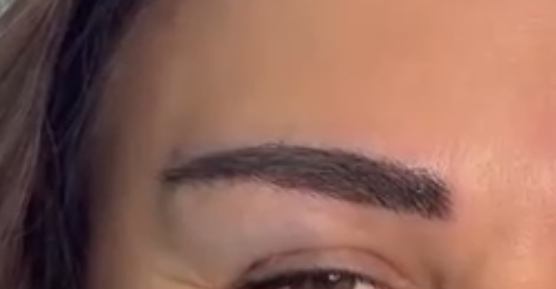
What Makes Natural-Looking Eyebrow Restoration Different?
Eyebrow restoration requires a different approach from simply adding hair to a thinning scalp.
The eyebrows are highly visible and have a relatively small area for transplantation. Small differences in placement can affect the overall appearance.
Natural-looking eyebrow restoration depends on factors such as:
- Appropriate eyebrow shape
- Correct hair direction
- Careful implantation angles
- Suitable graft selection
- Gradual changes in density
- Integration with existing eyebrow hair
- Consideration of facial proportions
Dr. Jones' approach is based on individual eyebrow design rather than using a standard template for every patient.
Eyebrow Transplant vs. Other Eyebrow Restoration Options
An eyebrow transplant is one option for addressing sparse or thin eyebrows. Other approaches, such as cosmetic makeup, microblading, or other cosmetic procedures, work differently.
A hair transplant uses actual hair follicles, while cosmetic techniques do not transplant living hair follicles.
The appropriate option depends on the cause of eyebrow thinning, the desired appearance, personal preferences, and whether the patient is medically suitable for surgery.
A consultation can help you understand the differences between these approaches.
How Many Grafts Are Needed for an Eyebrow Transplant?
There is no single graft number that applies to every eyebrow transplant.
The number of grafts depends on factors such as:
- Existing eyebrow density
- Size of the areas being restored
- Whether one or both eyebrows are being treated
- Desired density
- Natural eyebrow shape
- Donor hair availability
Some patients may need only a relatively small number of grafts, while more extensive eyebrow restoration may require more.
The appropriate number should be determined during an individual consultation rather than based on a standard package.
Does an Eyebrow Transplant Leave Scars?
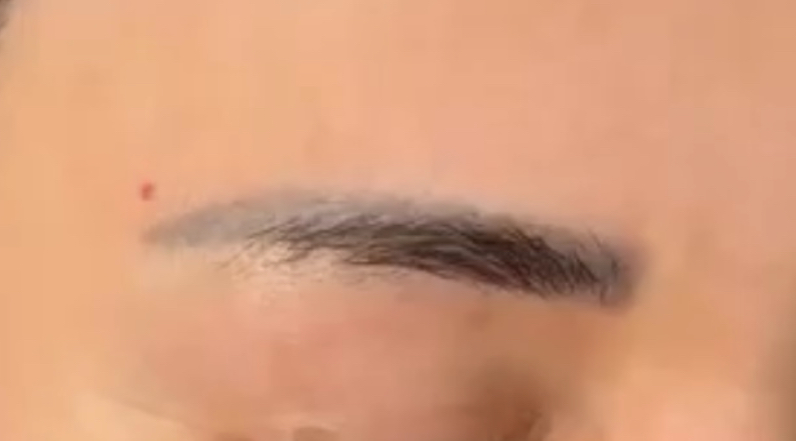
FUE involves harvesting individual follicular units rather than removing a strip of scalp. This means it does not create the linear donor scar associated with FUT.
Small extraction sites can occur in the donor area, and their appearance varies depending on factors such as individual healing and the characteristics of the donor area.
As with any surgical procedure, scarring cannot be completely ruled out.
Why Choose Dr. Robert Jones for an Eyebrow Transplant?
Dr. Robert Jones has specialised in hair restoration surgery for more than 30 years and has performed thousands of hair restoration procedures.
His professional credentials include:
- MD
- FISHRS – Fellow of the International Society of Hair Restoration Surgery
- Diplomate of the American Board of Hair Restoration Surgery (ABHRS)
- Member of the ISHRS since 1996
- More than 30 years specialising in hair restoration surgery
- Experience with FUE since 2002
- Extensive experience with hair transplantation and follicular-unit techniques
Dr. Jones has also been involved in teaching hair transplantation techniques to physicians and has extensive experience with procedures requiring detailed graft placement.
You can learn more about his professional background and credentials on the About Dr. Robert Jones page.
Experience in Eyebrow Hair Restoration
Eyebrow transplantation requires detailed planning because the recipient area is small and the transplanted hairs are highly visible.
Dr. Jones' experience with FUE and hair transplantation allows him to consider the donor hair, eyebrow design, graft characteristics, and placement technique together when planning treatment.
His existing eyebrow restoration work includes the use of individual grafts and careful attention to hair direction and angle.
The treatment plan is developed around the patient's existing eyebrows and facial features rather than using a standard design.
Eyebrow Transplant in Toronto
Patients searching for an eyebrow transplant in Toronto can consult with Dr. Robert Jones at his Oakville practice.
The practice is located at:
Dr. Robert Jones Hair Transplantation
Oakville Plastic Surgery
1495 Cornwall Rd., Suite 31
Oakville, Ontario L6J 0B2
Phone: (905) 236-1048
Email: drrobertjoneshair@gmail.com
Consultations and eyebrow transplant procedures take place at the Oakville practice.
During your consultation, you can discuss your eyebrow concerns, desired shape, donor hair, graft requirements, recovery, and whether eyebrow transplantation is appropriate for you.
Frequently Asked Questions
What is an eyebrow transplant?
An eyebrow transplant is a hair restoration procedure that moves individual hair follicles from a donor area to the eyebrows to restore sparse or missing eyebrow hair.
How does an eyebrow hair transplant work?
Individual donor follicles are harvested using an FUE technique and carefully placed into the eyebrow according to the planned shape, angle, direction, and density.
Who may consider an eyebrow transplant?
People with sparse or thin eyebrows caused by factors such as over-plucking, natural hair density, aging, certain forms of hair loss, trauma, or scarring may consider eyebrow restoration. Suitability needs to be assessed individually.
How many grafts are needed for an eyebrow transplant?
The number varies depending on the existing eyebrow hair, the areas being restored, the desired density, and the patient's donor supply. There is no standard graft number for every patient.
Will eyebrow transplant hairs continue to grow?
Transplanted hairs retain characteristics of their original donor follicles. Because donor hair may continue growing longer than natural eyebrow hair, patients may need to trim the transplanted hairs regularly.
How long does an eyebrow transplant take to grow?
Growth varies between patients. Some transplanted hairs may shed during the early stages before new growth develops. Eyebrow hair continues to mature over several months, with the overall timeline varying from person to person.
Does an eyebrow transplant leave a scar?
FUE does not create the linear donor scar associated with FUT. However, small extraction sites can occur, and individual healing and scar visibility vary.
If FUE Hair Transplant your interest, let's connect—call (905) 236-1048 or visit https://www.robertjoneshairdoc.com for a tailored plan.
Your hair journey starts with a simple step!